Transform Your Homes Comfort: Professional Insulation Services From Certified Contractors
In today's environmentally conscious world, proper insulation is essential for maintaining home comfort and efficiency. A large number of homeowners underestimate how greatly insulation affects energy costs and indoor air quality. Reputable contractors deliver skilled services that pinpoint and correct insulation deficiencies. Learning about these services can show how small changes can result in significant enhancements. Still, the challenge persists: how can you select the most suitable options for your unique requirements?
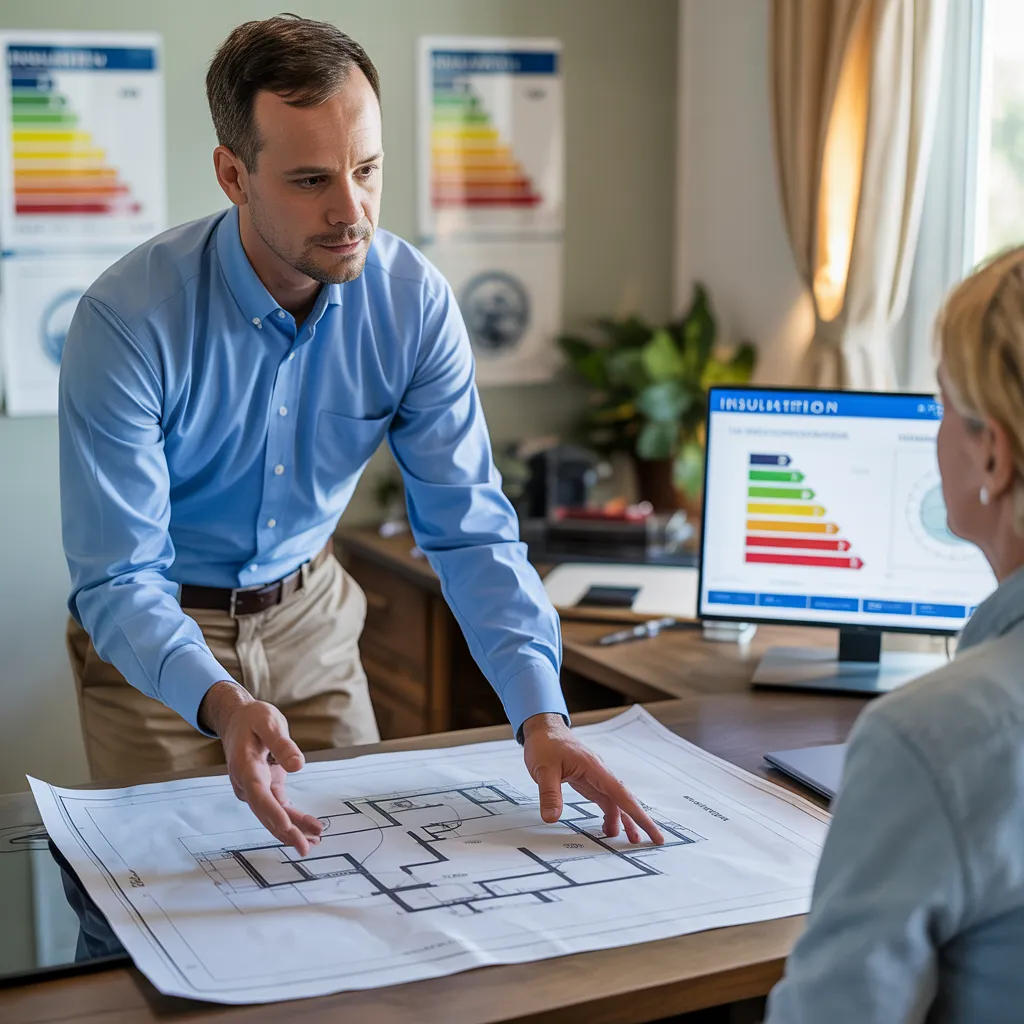
Why Poor Insulation Costs You Money and Comfort
Poor insulation can greatly impact both energy expenses and indoor comfort. When insulation fails to meet standards, heat loss in winter and heat gain in summer become pronounced, forcing heating and cooling systems to work overtime. This inefficiency translates directly to higher utility bills, as homeowners face inflated energy costs due to increased demand on HVAC systems.
Moreover, poor insulation can contribute to uncomfortable living conditions, with cold drafts and temperature variations making spaces less enjoyable. Moisture accumulation may also develop, fostering the growth of mold and mildew, which can significantly worsen air quality within the home.
Investing in proper insulation resolves these problems and significantly boosts your property's overall worth. A well-insulated home supports comfort and energy efficiency, enabling homeowners to make the most of their living space while reducing unneeded expenditures. Therefore, resolving insulation shortcomings is critical to achieving enhanced comfort and long-term cost savings.
Are There Drafts in Your Home? Here Are the Signs to Look For?
Figuring out if a home is drafty can be accomplished by identifying frequent indicators and evaluating utility bills. Noticeable cold spots and fluctuating temperatures frequently suggest the presence of air leaks. Additionally, abnormally high utility expenses might suggest that substandard insulation is causing heat to leak out.
Common Draft Symptoms
A large number of homeowners tend to miss the subtle signs of drafts inside their homes, which can lead to higher utility bills and reduced comfort. Typical signs involve obvious temperature differences, where some areas of the home feel much cooler than the rest. Homeowners may also experience drafts around electrical outlets, windows, and doorways, frequently perceived as a cool sensation on the skin. Additionally, persistent condensation on windows can indicate poor insulation, permitting cold air to enter the home. Whistling or rattling noises during windy conditions may also indicate unwanted air penetration. Finally, if curtains or lightweight fabrics move without a breeze, it's a clear sign that air is infiltrating the home. Identifying these warning signs is the initial step to creating a cozier home.
Energy Bill Metrics
Increased energy bills frequently act as a telling indicator of air leaks within a home. Property owners may observe a significant spike in their monthly costs, indicating that HVAC systems are operating more intensively to sustain a comfortable climate. A poorly sealed home can cause inconsistent temperatures throughout the home, encouraging homeowners to increase thermostat settings. To identify specific areas of concern, individuals can perform basic checks, such as checking for cold air infiltration around windows and doors or holding a candle near potential draft sources. Additionally, checking insulation quality in attics and walls can uncover concealed air leaks. Resolving these concerns with qualified insulation specialists can contribute to enhanced energy conservation, leading to decreased expenses and enhanced living conditions.
Main Advantages of Professional Insulation Installation
Releasing the true capabilities of a home's insulation effectiveness often depends on professional insulation installation. Expert contractors verify that insulating products are properly fitted, considerably limiting heat loss in winter and minimizing heat gain in summer. This accuracy leads to a better regulated indoor temperature, boosting comfort throughout the year.
Additionally, professional setup can lead to lower utility bills, as residences rely less on heating and air conditioning systems. This not only fosters cost savings but also minimizes the overall environmental impact, helping the environment.
Additionally, experienced contractors are highly informed about the most recent insulation solutions and products, confirming that homeowners obtain the most effective solutions tailored to their individual needs. They also adhere to local building codes and safety standards, which is crucial for lasting results and regulatory compliance. Ultimately, the key benefits of skilled insulation work consist of improved comfort, greater energy efficiency, and peace of mind for homeowners.
How to Pick a Reputable Insulation Contractor
Identifying a reputable insulation contractor demands thoroughly evaluating multiple essential aspects. Property owners should check the professional's credentials and coverage, review their proficiency and track record, and request itemized proposals to ensure clarity. These steps contribute to arriving at a sound conclusion and obtaining high-quality insulation work.
Check Licenses And Insurance
Prior to hiring an insulation contractor, it is essential to verify their licenses and insurance. This measure confirms that the contractor complies with local regulations and industry standards, offering homeowners peace of mind. A legitimate license demonstrates that the contractor has received the necessary training and is competent to handle insulation work. Moreover, insurance protects homeowners from potential liabilities, such as unforeseen accidents or damage during the project. It is recommended to ask for proof of both licenses and insurance before proceeding. Furthermore, homeowners should ensure that the insurance coverage is current and adequately covers the scope of work. Following these steps helps to minimize risks and establishes a safer, more dependable working relationship with the contractor.
Assess Experience And Expertise
Evaluating a contractor's knowledge and qualifications is vital when selecting a dependable insulation contractor. Reviewing a contractor's history involves examining their tenure in the profession and the kinds of insulation projects they have executed. It is worthwhile to factor in their area of focus, as some may focus on residential insulation while others may specialize in commercial installations.
Additionally, analyzing client feedback and testimonials can give homeowners a clearer picture of their quality of work and dependability. Accreditations from respected organizations also reflect adherence to industry standards. By taking these aspects into account, homeowners can make certain they identify a contractor with the proper competencies and insight to execute top-tier insulation services, ultimately elevating the comfort level and energy efficiency of their homes.
Request Detailed Estimates
How can homeowners ensure they are making a well-informed decision when selecting an insulation contractor? One effective method is to request detailed estimates from multiple contractors. This process allows homeowners to compare not only the costs but also the scope of work each contractor proposes. An estimate should include materials, labor, timelines, and any potential additional fees. Homeowners should confirm that quotes are broken down, offering clarity on what each cost covers. Furthermore, seeking explanation on any ambiguous points can help avoid potential disputes down the line. By securing comprehensive quotes, homeowners can more effectively evaluate what each contractor brings to the table and arrive at a well-considered choice, resulting in a successful insulation project that satisfies their requirements and financial plan.
Finding the Right Insulation Type for Your Home
What factors should homeowners consider when selecting insulation? To begin with, the climate serves a critical function; regions with extreme temperatures may require more robust insulation types, such as rigid foam or fiberglass batting. Homeowners ought to also assess the insulation's R-value, which measures its ability read guide to resist heat transfer; higher R-values are preferable for energy efficiency.
One more important aspect is the type of material, which includes cellulose, fiberglass, and foam board, each offering unique benefits and drawbacks. Homeowners must also think about the installation method; certain materials can be installed independently, while others may need expert help.
Additionally, the space to be insulated—walls, attics, or basements—will determine the selection of insulation. Finally, budget constraints will guide selections, as not all insulation options carry the same price tag. By assessing these elements, property owners can select the insulation that optimally addresses their needs while boosting their home's overall comfort.
Insulation and Its Impact on Energy Costs
Could homeowners truly grasp the considerable role insulation serves in energy expenditure? Quality insulation considerably decreases the need for heating and cooling systems to run continuously, leading to reduced energy expenses. By minimizing heat movement, it keeps indoor temperatures consistent, which not only enhances comfort but also lowers overall energy use. Studies indicate that homes with quality insulation can save up to 20% on heating and cooling costs each year, a considerable sum for many households. Furthermore, the type and quality of insulation also affect these savings; greater R-values offer superior heat resistance. Homeowners often disregard the long-term financial benefits of investing in quality insulation, viewing it as an initial expense rather than a money-saving solution. Ultimately, by focusing on proper insulation, homeowners can achieve remarkable energy efficiency, leading to decreased monthly bills and a smaller environmental footprint.
What to Expect During the Insulation Installation Process
Property owners can realize substantial energy savings through quality insulation, but knowing the installation process is just as essential. Initially, a skilled contractor performs a comprehensive evaluation of the home, locating spots that demand insulation. This inspection encompasses reviewing attics, walls, and basements.
Subsequently, the contractor picks out the appropriate insulation solution, such as cellulose, fiberglass, or spray foam, depending on the house's individual requirements and budget. When the appropriate materials are determined, the job starts. This typically involves closing off any gaps or cracks to maximize efficiency.
When it comes to attic insulation, the method can include laying batts or blowing in loose-fill material, while wall insulation work might require boring small openings for the injection process. Following the installation process, the contractor will inspect the completed work to confirm no areas are overlooked. Overall, a thorough insulation installation not only improves home comfort but also promotes sustained energy savings.
Popular Questions We Receive
How Long Will Insulation Normally Last Before It Needs Replacing?
Insulation commonly lasts anywhere from 20 to 30 years, depending on the material and environmental conditions. Routine inspections can help assess its performance and whether replacement is necessary to maintain ideal energy efficiency in a home.
Can I Install Insulation Myself, or Should I Hire a Professional?
While some individuals may attempt DIY insulation installation, enlisting a professional is typically the better choice. Professionals guarantee proper installation, adherence to safety standards, and maximum energy efficiency, ultimately offering a more efficient and long-lasting insulation solution.
What Are the Environmental Impacts of Different Insulation Materials?
Different insulation materials have varying environmental impacts. Natural options like cellulose and sheep’s wool are generally more sustainable, while synthetic materials, such as foam, may release harmful chemicals during production and disposal. Recycling and sourcing matter considerably.
What Are the Signs That My Insulation Needs Upgrading?
Signs that insulation needs upgrading include noticeable temperature fluctuations, increased energy bills, drafts, or visible wear and tear. Examining spaces such as attics and walls may also uncover moisture problems or inadequate insulation levels.
Are There Any Government Incentives for Improving Home Insulation?
Absolutely, many government bodies make available financial incentives for upgrading home insulation, such as grants, tax credits, or rebates. Property owners should check local programs and national initiatives that encourage energy efficiency upgrades to take full advantage of available savings.